Baltic Road Trip: 9 Days Through Lithuania, Latvia and Estonia
Our Baltic road trip started and ended in Warsaw and took us through four countries: Poland, Lithuania, Latvia and Estonia. Over nine days, we covered more than 2,500 kilometres, combining historic cities, medieval castles, Baltic beaches, forests, wetlands and some truly unusual places.
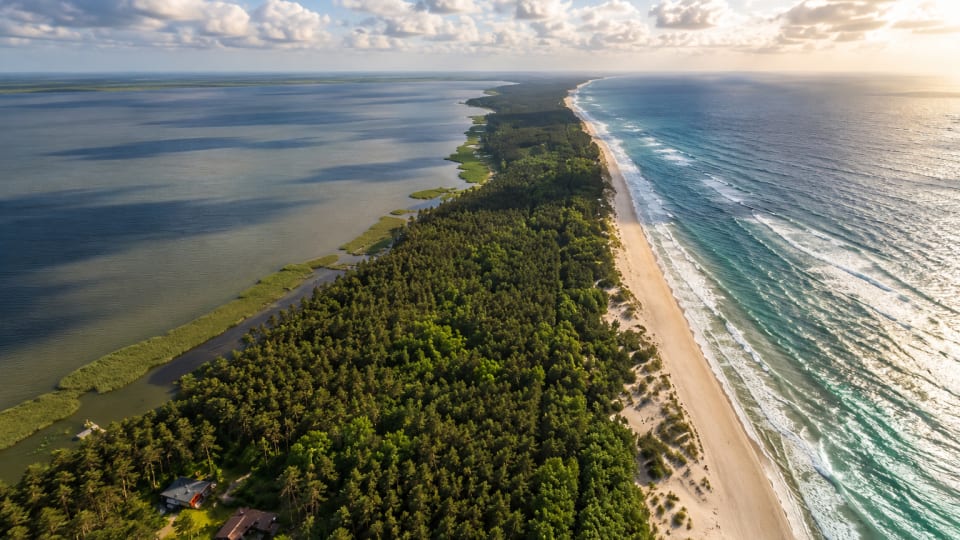
The route was designed to mix famous landmarks with less obvious destinations, so every day brought something different. We explored the historic streets of Kaunas, Riga, Tartu and Tallinn, travelled along the spectacular Curonian Spit, discovered the landscapes of the Gauja Valley and Lahemaa National Park, and visited remarkable historical sites such as Rummu Prison and Quarry.
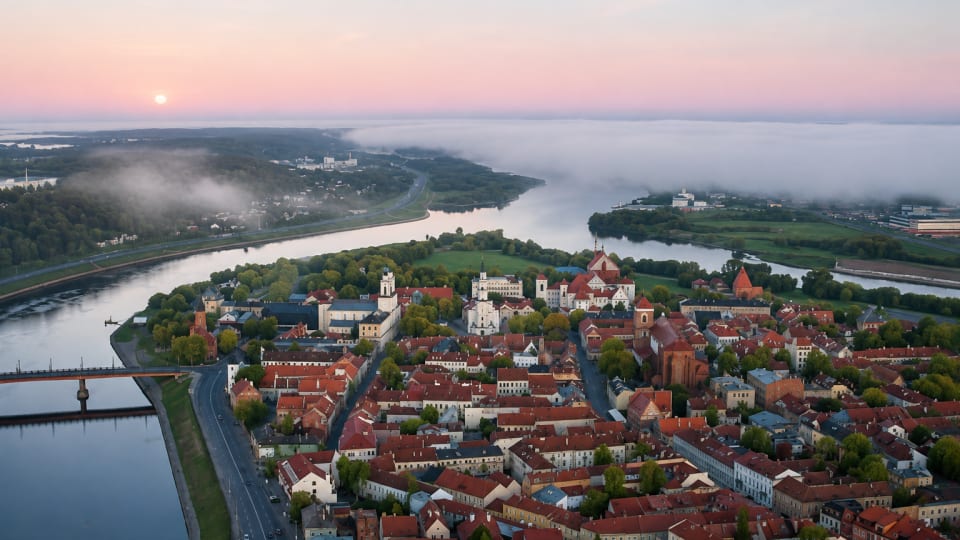
A Journey Between Cities, Nature and History
One of the best things about travelling through the Baltic states by car is the variety packed into relatively short distances.
The journey took us from the Baltic coast and enormous sand dunes to medieval fortresses, from peaceful forests and bogs to lively Old Towns and fascinating museums. Along the way, we encountered centuries of European history, including medieval trade, aristocratic estates, Soviet occupation and the dramatic transformation of industrial landscapes.
The Baltic Sea was a recurring presence throughout the trip, connecting many of the places we visited and shaping the history and culture of the region.
The Route
Warsaw → Kaunas → Klaipėda → Curonian Spit → Riga → Sigulda → Turaida → Cēsis → Võru → Tartu → Tallinn → Rakvere → Lahemaa → Rummu → Latvia → Rundāle Palace → Kaunas → Warsaw
The route combines major Baltic cities with smaller towns, natural attractions and historical sites that are particularly well suited to exploring by car.
Highlights of the Trip
Among the places that left the strongest impression were the dunes and fishing villages of the Curonian Spit, the medieval landscapes around Sigulda and Turaida, the historic centers of Riga and Tallinn, the wetlands of Lahemaa, and the extraordinary flooded quarry at Rummu.
The journey also offered a chance to experience different sides of Baltic history—from medieval castles and Baroque palaces to museums dedicated to the twentieth century and Soviet-era heritage.
Why Travel the Baltics by Car?
A Baltic road trip gives you something that a conventional city break cannot: the opportunity to experience the landscape between destinations.
Forests, coastlines, small villages and quiet country roads become part of the adventure. You can combine major attractions with places that would otherwise be difficult to reach and change your plans whenever a landscape or town catches your attention.
For us, nine days was enough to get a taste of all three Baltic states while still leaving plenty of unforgettable moments along the road.
Follow Our Baltic Road Trip
The following pages tell the story of the journey day by day, including the places we visited, the routes between them and the experiences that made this trip special.
From Warsaw to the Baltic Sea, through Lithuania, Latvia and Estonia, and finally back home, this was a journey of more than 2,500 kilometres—and one of the most varied road trips we have taken.
Stops on this route
- Franciszka Klimczaka 20
- St. Michael the Archangel Church
- Yard Gallery
- Bernelių užeiga
- House of Perkūnas
- Aleksoto Funicular
- Aleksotas Viewpoint
- Cathedral Basilica of St. Peter and St. Paul
- City Hall Square
- Kaunas Castle
- Klaipeda Apartment
- New Ferry Terminal
- Parnidis Dune
- Nida
- The Dead Dunes
- Hill of Witches
- Lithuanian Sea Museum
- Fachwerkhäuser
- A-petit
- Basanavičiaus Street
- Cold War Museum
- Žemaitis Restoranas
- Hill of Crosses
- Mūkusalas iela 19
- Street Bakery
- Riga Center
- Castle Of The Livonian Order
- Paradise Hill
- Gütmanis Cave
- Turaida Castle
- Pasēdnīca
- Friedrich Reinhold Kreutzwaldi
- Koreli
- Kohvik Mantelahi
- South-Estonian Hospital
- Tartu Old Town
- Upside Down House
- Estonian National Museum
- Narva Maantee
- REPA
- Vanalinn
- Narva Maantee Hotel
- NOP Cafe and Shop
- Lennusadam
- Rakvere Linnus
- Viru Bog Nature Trail
- Jägala Waterfall
- Restaurant Lido
- Tallinn Old Town
- Soviet Statues Exposition
- Estonian Art Museum (KUMU)
- Vabamu Museum of Occupations and Freedom
- Kingu Tee
- RUMMU Prison
- RUMMU Quarry
- Vehverments Bar & Tostadas
- Nature Lovers House
- Rundāle Palace
- M. Valančiaus G.